














By Emmanuel Chero
As Moroto prepares to host the 11th edition of the Karamoja Cultural Event from September 6 to September 12, 2026, there is much to celebrate.
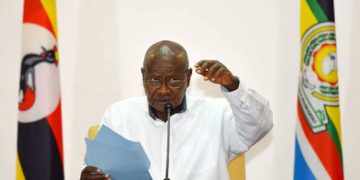
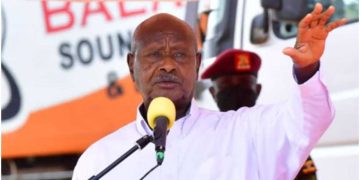
The week-long gathering, held under the theme “By Culture, Strength in Peace, Prosperity through Tourism,” brings together communities from across the wider Ateker region and beyond. President Yoweri Museveni is expected to officially open the celebrations on Wednesday, September 9, at Naitakwai Libations Square in Moroto.

But beyond the dances, music, traditional dress, food, crafts and cultural exhibitions, this year’s event should compel us to ask a bigger question: What do we do with the peace we have achieved?
For decades, Karamoja has been associated with cattle raids, armed violence, disarmament and humanitarian challenges. Today, the region has an opportunity to tell a different story — one in which peace becomes the foundation for development, investment and a better quality of life for its people.
That is why the theme of this year’s cultural event is particularly important. Culture can strengthen peace, but peace must ultimately create prosperity.
The arrival of cultural delegations from Uganda, Kenya, South Sudan, Ethiopia and communities from farther afield demonstrates the unique cultural wealth of Karamoja. The participation of the Nyangatom of Ethiopia, Toposa of South Sudan, Turkana of Kenya and the various Karimojong communities, among others, shows that the cultural connections of our people existed long before the borders that now separate our countries.
The presence of international visitors and tourists offers another opportunity. Karamoja has a cultural heritage capable of attracting the world, but we must move beyond simply showcasing that heritage. We must develop it into a sustainable economic asset that creates jobs, supports communities and contributes to the region’s prosperity.
Peace is therefore not the destination.
Peace is the foundation upon which we must build the Karamoja we want.
We must jealously protect the peace that has been achieved. At the same time, we must ensure that ordinary people can feel its benefits in their daily lives.
The peace dividend must be visible in employment, agriculture, education, healthcare, infrastructure, tourism, investment and improved livelihoods. A peaceful community that remains without productive opportunities risks missing the greatest benefit that peace can provide.
This is where I believe our attention must now turn to one of Karamoja’s most persistent challenges: water.
If we have secured peace, our next major battle must be against water insecurity.
Karamoja cannot fully realise its economic potential when communities, livestock and productive activities continue to face severe water challenges. We need to think beyond isolated interventions and begin planning for large-scale water security.
Government and regional leaders should consider making bulk water trapping, water transfers and reliable water supply a central pillar of Karamoja’s transformation.
During the rainy season, enormous volumes of water are available but much of it is lost. We should invest in systems capable of capturing and storing this water for use throughout the year.
Such infrastructure would not only provide water for households. It would support agriculture, livestock production, tourism, settlement and industry.
We cannot seriously talk about transforming Karamoja without putting water at the centre of that transformation.
Water security could fundamentally change the region’s productive capacity. It could help communities move from subsistence to more productive agriculture, strengthen livestock production and create the conditions necessary for new businesses and industries to emerge.
It could also strengthen tourism.

The cultural event itself demonstrates that people are interested in Karamoja. Visitors are coming to experience our culture and heritage. But tourism will only become a meaningful engine of economic transformation if we develop the infrastructure, services and local enterprises necessary to support it.
The same principle applies to the peace that Karamoja is celebrating.
Security creates the space for development, but development is what gives people a tangible reason to protect peace.
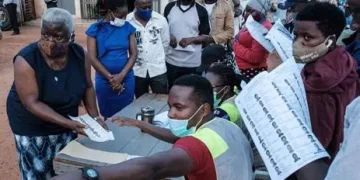
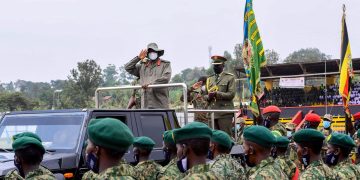
The expected presence of President Museveni at this year’s cultural event is therefore significant. It comes at a time when supporters are celebrating his reported 92 percent electoral support in Karamoja during the 2026 presidential election and highlighting the government’s “USALAMA KWA WUOTE” operation, which they credit with contributing to the restoration of peace and security.
But beyond political celebration, this moment should be used to renew the development conversation.
Karamoja needs to move from being defined by what it has suffered to being recognised for what it can produce.
We have a rich culture. We have resilient communities. We have livestock, land, tourism potential and a strategic location within the wider East African region. What we need is the infrastructure, investment and deliberate planning to turn these assets into opportunities for our people.
The 11th edition of the Karamoja Cultural Event offers an important moment to reflect on that possibility.
When the cultural delegations leave Moroto and the celebrations come to an end, the real work must continue.
The drums may fall silent, but the development agenda must not.
Our cultural pride must translate into tourism and enterprise. Our peace must translate into investment and productive livelihoods. And political goodwill must translate into development that ordinary people can see and feel.
Most importantly, we must make water security one of the defining priorities of Karamoja’s next chapter.
The world has come to Moroto to see Karamoja.
Let us use this moment to show the world not only who we are, but what we can become.
Karamoja’s story should no longer be one of conflict and dependency. It should be a story of peace, production, culture, tourism and shared prosperity.
That is the Karamoja we must now build.